Dancing with the Sun: The Story of the Summer Solstice
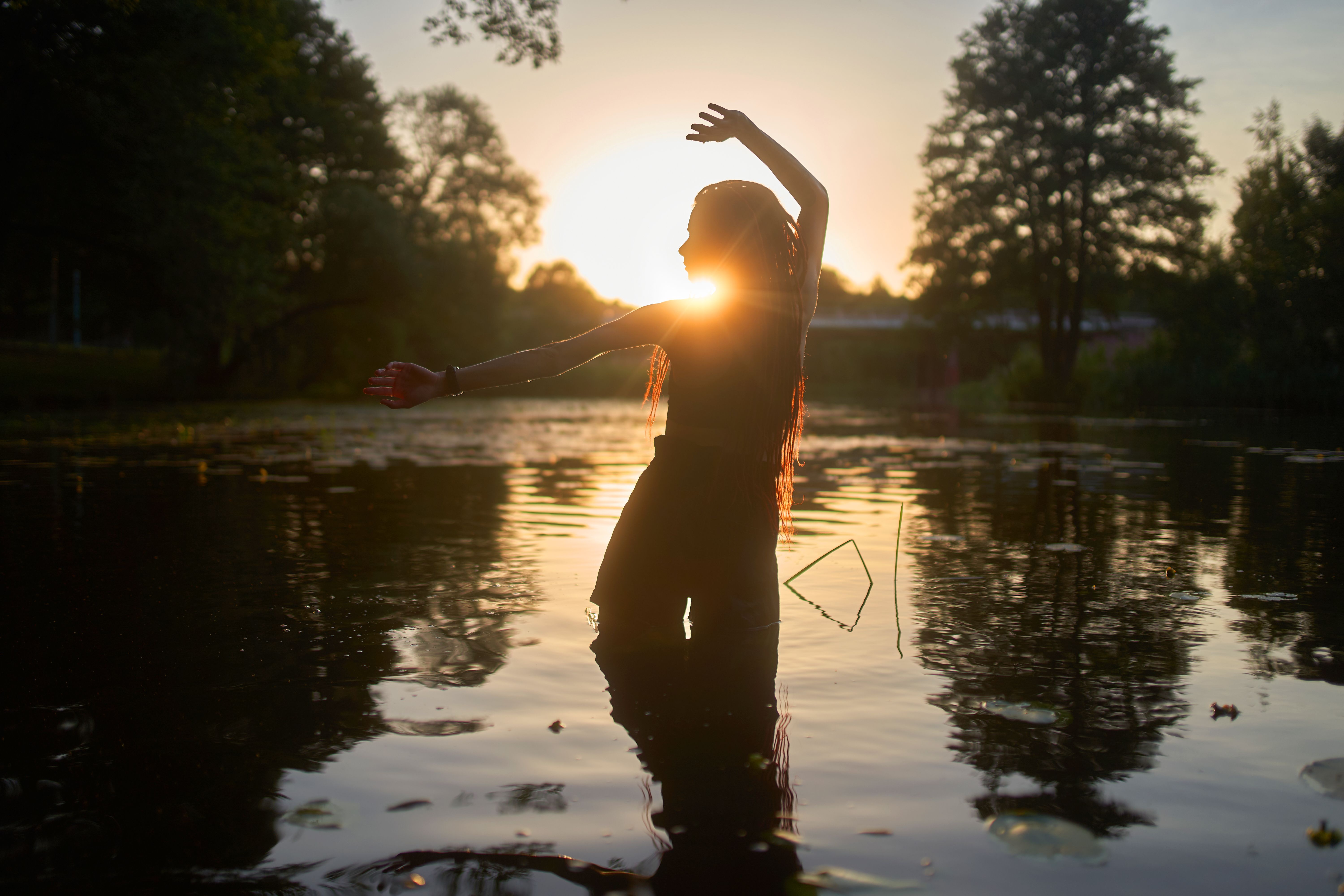
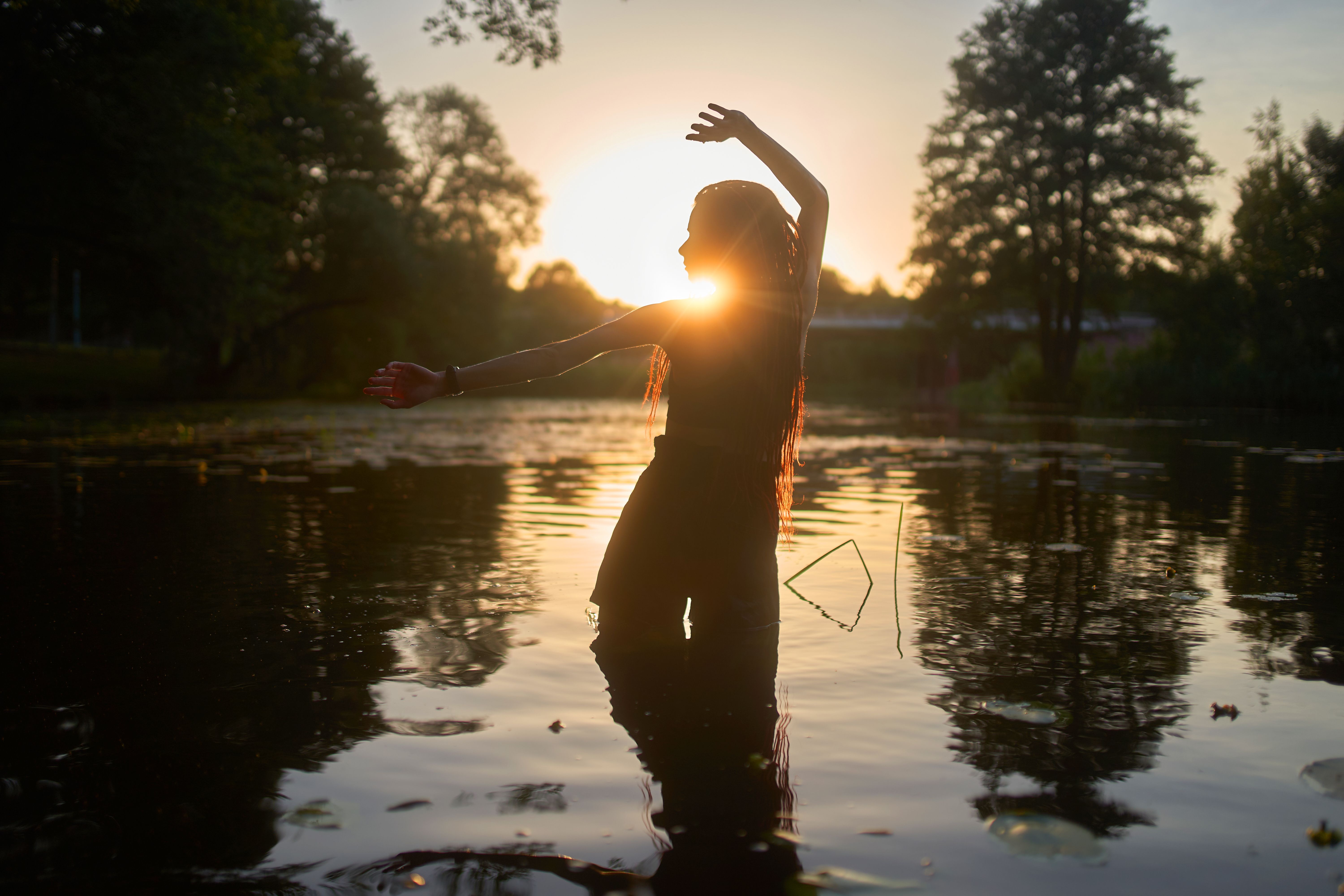
Dancing with the Sun: The Story of the Summer Solstice
Summer Solstice 2026:
How to Celebrate the Longest Day with Light, Meaning and Joy
There is something quietly extraordinary about the Summer Solstice. For one bright turning point each year, the light lingers, the sky seems to open, and life asks us to pause long enough to notice it. This year in the UK, the Summer Solstice arrives on Sunday 21 June 2026 at 9.24am BST: the exact moment the Northern Hemisphere is tilted most directly towards the Sun, giving us the longest day and shortest night of the year. In London, the Sun rises at about 4.43am and sets around 9.21pm, with local times varying across the UK.
| Time | Simple plan | Helpful items |
|---|---|---|
| Evening before | Choose your intention, gather flowers or greenery, charge your phone, check the weather and make your plan | Journal, pen, water bottle, blanket |
| Early morning | Watch first light or step outside for five mindful breaths | Warm layer, tea, footwear for grass or a walk |
| 9.24am BST | Pause for two quiet minutes and mark the exact solstice moment | Timer, candle or hand on heart |
| Afternoon | Take a nature walk, make a flower crown, share a picnic, or have a restorative treatment | Seasonal food, flowers, sun protection |
| Evening | End with music, reflection, gratitude, and if safe, a candle or fire bowl at home | Lantern, journal, calm playlist |
How people have traditionally celebrated
Across northern Europe, traditional midsummer celebrations often centred on bonfires, flowers, music, dancing and communal meals. Britannica notes that midsummer festivities historically included dancing, singing, drinking, lighting bonfires and collecting flowers, while many customs were linked to ideas of good fortune, healing and love.
Bonfires in particular were widely believed to protect people and communities, while flower customs carried wishes for romance, luck and vitality.
In Sweden, where midsummer remains one of the country’s most cherished seasonal celebrations, families and friends gather outdoors, raise leafy maypoles, dance in circles, wear flower wreaths and share a classic midsummer meal. Official Swedish guidance highlights traditions such as picking flowers, decorating with greenery, singing, dancing, and eating pickled herring, new potatoes with dill, soured cream, chives and strawberry cake. It also preserves older folklore, including the custom of placing seven flowers under a pillow on Midsummer night.
Solstice observances are not only European. In the Andes, traditions connected with Inti Raymi honour Inti, the sun god of Inca religion. UNESCO describes Inti Raymi as a religious ceremony from the Inca Empire held in honour of Inti and associated with the winter solstice in the Southern Hemisphere, while Britannica notes that Inti-raymi honoured the sun god and involved ritual dance. Together, these traditions show a global pattern: human beings have long marked the great solar turning points with ceremony, memory, music and shared meaning.
How to celebrate the Summer Solstice in a simple, modern way
You do not need a stone circle, a formal ritual or a perfect sunrise to celebrate meaningfully. At its heart, the solstice is an invitation to notice, give thanks and reconnect. If you want to mark it gently this year, keep it simple.
For a solo celebration, try choosing one quiet moment in the day that feels intentional. Step outside early if you can. Stand barefoot on grass if that feels comfortable and safe. Take a few slow breaths. Let the light touch your face. Then ask yourself: What is growing well in my life right now? What feels fully lit? What am I ready to appreciate more deeply? If journalling helps, write for ten minutes. If meditation helps, sit in stillness for ten minutes. If movement helps, take a mindful walk and notice colour, scent, breeze and birdsong. None of this needs to be elaborate; the power is in your attention.
For a small group celebration, think in terms of warmth rather than performance. You might gather for a sunrise tea, an evening picnic, a nature walk, a circle meditation, a sound journey, gentle drumming, flower-crown making, or a shared seasonal meal. Traditional solstice celebrations often brought people together through music, dancing, flowers, fire and food, so a modern gathering can stay true to that spirit without trying to recreate history exactly. A blanket, a flask, seasonal flowers, soft music, a few candles or lanterns, and space to reflect together is more than enough.